A Complete Guide to Teaching Animal Welfare in High School Agriculture Classes
Teaching animal welfare in high school agriculture classes is one of the most important—and sometimes most challenging—topics we cover as ag educators. Students care deeply about how animals are treated, and the public is more engaged with animal welfare conversations than ever. Yet, too often, classroom coverage stops at the overly simplified “animal rights vs. animal welfare” debate.
There’s so much more to the subject, and when taught well, animal welfare can spark critical thinking, empathy, and meaningful discussion in your classroom. With the right tools and approaches, students can learn to evaluate animal care through scientific frameworks and real-world scenarios, not just personal opinion.
With years of experience teaching animal welfare, I want to share practical strategies you can use to make animal welfare a powerful part of your agriculture curriculum. If you’re looking for ready-made resources, check out my Animal Welfare Bundle for slides, worksheets, task cards, posters, and a quiz you can use tomorrow.
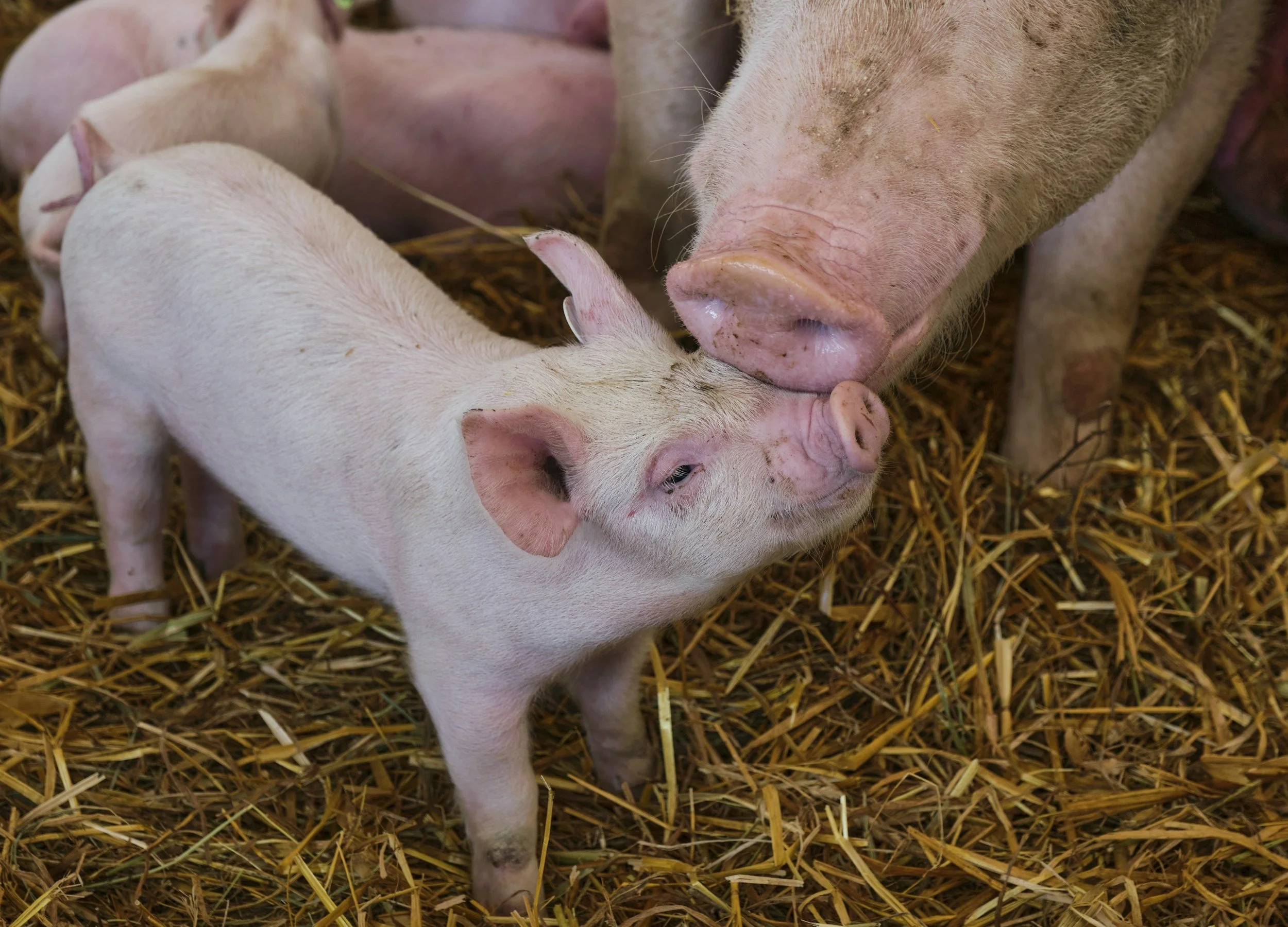
Why Teaching Animal Welfare Matters in Ag Classes
Animal welfare is more than just a unit—it’s a way to connect students to the realities of agriculture, industry standards, and public perceptions.
Urban and suburban students often want to see that livestock producers truly care for the animals they raise. These students are curious about practices and often approach the subject with strong opinions.
Rural students may be more familiar with raising animals, but they often equate welfare with just health and productivity. They need guidance in understanding that welfare includes emotional well-being and natural behaviors too.
By teaching animal welfare in depth, you help all students build a balanced, science-based understanding—skills they’ll carry into future careers and conversations beyond your classroom.
Common Misconceptions and Challenges
Before diving into frameworks and lessons, it helps to recognize the hurdles:
Students tend to lean heavily toward one perspective of welfare (such as health and productivity, natural living, or emotional state) without realizing that all three are important.
Teachers may not have had formal training beyond “animal rights vs. welfare,” making it difficult to guide deeper discussion.
Classrooms can get tricky when personal biases and strong opinions dominate the conversation.
Acknowledging these challenges up front helps you navigate them with confidence.
Frameworks for Teaching Animal Welfare
One of the best ways to move beyond opinion is to anchor lessons in established frameworks. These give students structure for evaluating animal care scenarios and help guide respectful, evidence-based conversations.
Here are the four I recommend:
Fraser’s Three Schools of Thought
The Five Freedoms of Animal Welfare
The 3 R’s of Animal Welfare
The Life Worth Living Scale
Together, these frameworks provide students with the vocabulary and tools to analyze complex situations, recognize tradeoffs, and move past black-and-white thinking.
(If you’d like to save time, my Animal Welfare Bundle includes ready-to-use slides and worksheets that introduce these frameworks with case studies students can dive into right away.)
Classroom Strategies That Work
A. Discussion Starters
I love beginning with this question: Who has the better life—a family dog that spends most days alone indoors, or a farm dog who faces health struggles like parasites but gets to run and work outside all day?
This sparks lively debate and reveals what students value most in animal welfare—health, freedom, companionship, or emotional fulfillment.
B. Scenarios and Tradeoffs
Scenarios are incredibly effective at getting students to wrestle with the complexities of welfare. Present a case (e.g., housing systems for laying hens) and let students apply the frameworks. They’ll quickly see how different people emphasize different aspects of welfare.
C. Structured Lectures with Interactive Application
Short, focused lectures on frameworks or scientific concepts work best when paired with interactive follow-ups. After a lecture on the Five Freedoms, for example, ask students to apply them to a real or hypothetical situation involving livestock.
Tips for Handling Bias and Tough Conversations
Bias is natural—students and teachers alike bring their own perspectives into the classroom. Your role is to help them recognize those biases and understand where others are coming from.
Encourage students to reflect on which “school of thought” or “freedom” they gravitate toward.
Model respectful listening and help them ground arguments in evidence.
Frame disagreements as opportunities for learning rather than conflict.
When students realize there’s no single “right” answer, they begin to appreciate the complexity of animal welfare.
Ready-to-Use Resources
If you want to bring these ideas into your classroom without starting from scratch, my Animal Welfare Bundle is designed for high school ag teachers. It includes:
Slides introducing each framework
Case study worksheet for critical thinking
Task cards for group work and station activities
Posters to reinforce key concepts visually
A quiz to assess understanding
These tools save prep time and give you everything you need to confidently teach animal welfare beyond the “rights vs. welfare” debate.
Final Thoughts
Teaching animal welfare in agriculture classes goes far beyond defining terms—it’s about helping students think critically, discuss respectfully, and understand the complexities of animal care.
By using frameworks, engaging scenarios, and structured discussion, you can give your students the skills to analyze real-world issues thoughtfully and empathetically.
If you’re looking for ready-made resources, check out my Animal Welfare Bundle for slides, worksheets, task cards, posters, and a quiz you can use tomorrow.
And I’d love to hear from you: How do you approach teaching animal welfare in your classroom? Drop your thoughts in the comments.
