8 Must-Teach Topics in Livestock Production for High School Agriculture Classes
If you’re teaching high school agriculture, you already know that livestock production lesson plans can feel like a beast to wrangle. Between covering animal domestication, explaining housing systems, and helping students master a never-ending stream of livestock terminology, it’s easy to get overwhelmed.
But here’s the good news: teaching livestock production doesn’t have to feel like reinventing the wheel. With the right topics (and a few time-saving resources), you can build student understanding, spark curiosity, and save your sanity. Let’s walk through the 8 must-teach topics in livestock production that will set your students up for success.
If you’re short on time, check out my Livestock & Poultry Production Systems Unit Bundle. With editable slides, quizzes, task cards, puzzles, and industry worksheets, you’ll have everything you need for a complete livestock production unit at your fingertips.
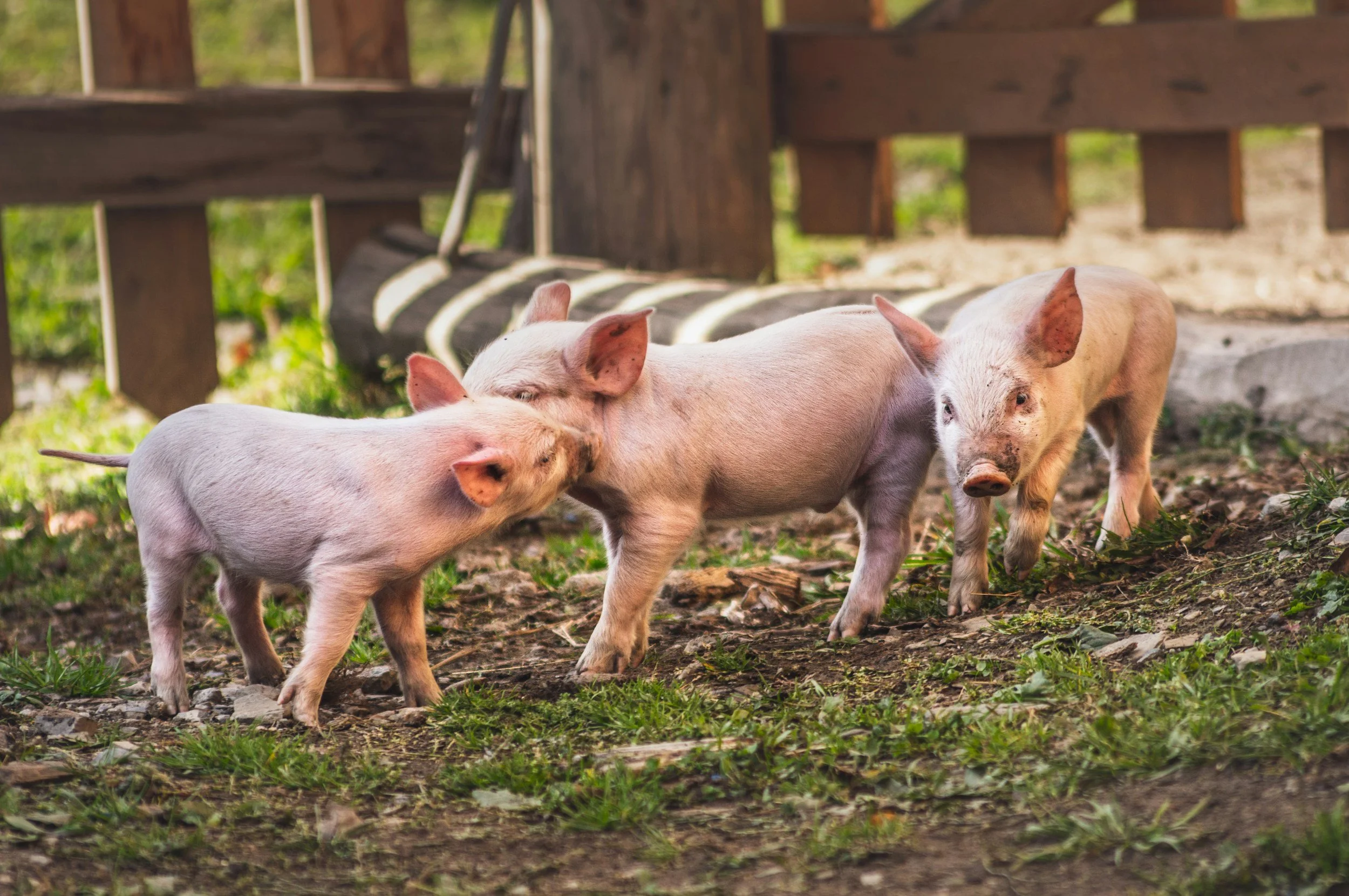
1. Animal Domestication & History
Students love a good origin story—and livestock has plenty. Covering domestication helps them see how and why cattle, poultry, swine, and sheep became central to human society.
A simple discussion question like, “What would life look like if cattle had never been domesticated?” gets students thinking beyond the barnyard.
My Livestock & Poultry Production Systems Unit Bundle even includes ready-to-use slides with embedded videos to bring this history to life without you hunting down clips the night before class.
2. Basic Livestock Terminology
Nothing derails a lesson faster than students not knowing the vocabulary. Whether it’s the difference between a gilt and a sow or understanding what makes a steer, terminology lays the foundation for deeper learning.
I like to sneak in puzzles or quick review games that get students laughing while they’re learning. The bundle makes this easy with a full vocabulary list, crosswords, word searches, and Quizlet decks, perfect for bell ringers or exit tickets.
3. Animal Husbandry Basics
Animal husbandry may sound basic, but it’s what sets the stage for everything else—feeding, handling, and monitoring health. I’ve found that starting with clear explanations and then layering in case studies or farm visits helps students connect theory to practice.
To save time, I rely on editable slides and differentiated task cards that let me adjust the depth of content depending on whether my students are ag newbies or show barn regulars. The bundle includes both, which means I can hit multiple levels without building extra materials.
4. Nutrition & Feeding Systems
Feed is the single biggest cost in livestock production, so students need to see how nutrition impacts not just animal health, but the economics of the industry.
I like to start with the basics—ruminants vs. monogastrics—and let students explore how digestive systems drive feed choices. From there, comparing roughages and concentrates helps them see why cattle thrive on forage while pigs and poultry depend on grain-based diets.
To make it hands-on, I’ll often bring in real feed samples or have students sort different feeds into categories. The Livestock & Poultry Production Systems Unit Bundle includes editable slides that cover these fundamentals.
5. Housing & Production Systems
Housing and production systems shape everything from productivity to animal welfare. Students are often surprised when we compare pasture-based beef cattle to confinement swine barns, and it always sparks great debates about pros and cons.
Visuals are key here, which is why I lean on the bundle’s slides with teacher notes and discussion prompts—they keep students engaged and give me room to guide the conversation without scrambling for extra examples.
6. Breeds & Breed Characteristics
Breed ID is one of those topics students really enjoy—it feels interactive and gives them something concrete to master. Connecting breed characteristics to production goals (meat, milk, fiber, or eggs) also makes the information stick.
The bundle’s Quizlet decks are especially handy here—they let students practice digitally at their own pace while reinforcing what we’ve covered in class.
7. Industry Structures Across Species
One of the biggest “aha!” moments for my students has been realizing just how different industries are structured. A cow-calf beef operation looks nothing like a vertically integrated poultry system, and those differences matter. Creating flowcharts together in class helps students visualize how products move from farm to consumer.
My slides in the unit bundle break these systems down clearly, so students can compare species without getting lost in the details.
8. Industry Statistics Across Species
Numbers tell powerful stories in agriculture. Whether it’s broiler production dwarfing sheep numbers or dairy trends shifting over time, statistics connect classroom concepts to the scale of the real world. I like to have students interpret USDA Ag Census charts—it’s a simple way to blend math skills and ag literacy.
To cut down on prep, the bundle already has worksheets linked to the 2022 census with built-in comprehension questions, so I can dive right into discussion instead of building data sets from scratch.
Wrapping It Up: Making Livestock Production Easier to Teach
Covering these 8 topics builds a strong foundation for students in animal science, whether they’re planning to run a farm, study veterinary medicine, or simply want to understand the food system better. The challenge for ag teachers isn’t knowing what to teach—it’s finding the time to prep engaging lessons that meet students where they are.
That’s where the Livestock & Poultry Production Systems Unit Bundle comes in. With editable slides, quizzes, task cards, puzzles, and industry worksheets, you’ll have everything you need for a complete livestock production unit at your fingertips. No endless prep sessions. No scrambling for review activities. Just solid, engaging lessons that help students connect with livestock production while making your life easier.
👉 Check out the bundle here and get your evenings back—you’ve got enough on your plate.
