Interactive Classroom Strategies for Teaching Livestock Production
If you want your students to actually understand how livestock production works, not just memorize a few vocab words, interactive teaching strategies are your best friend. After years of teaching agriculture, one thing became clear to me: students learn livestock systems best when they can see them, compare them, and experience them.
And here’s the good news, you don’t need a teaching farm or a giant ag program budget to bring livestock production to life. With the right mix of visuals, virtual experiences, hands-on tasks, and engaging review activities, you can build a dynamic livestock unit that your students will remember.
If you’re a new ag teacher or just drowning in lesson planning (we’ve all been there), this guide will walk you through easy, high-impact ways to make livestock production interactive, plus point you to some ready-to-use livestock production curriculum resources for ag teachers to save you hours of prep.
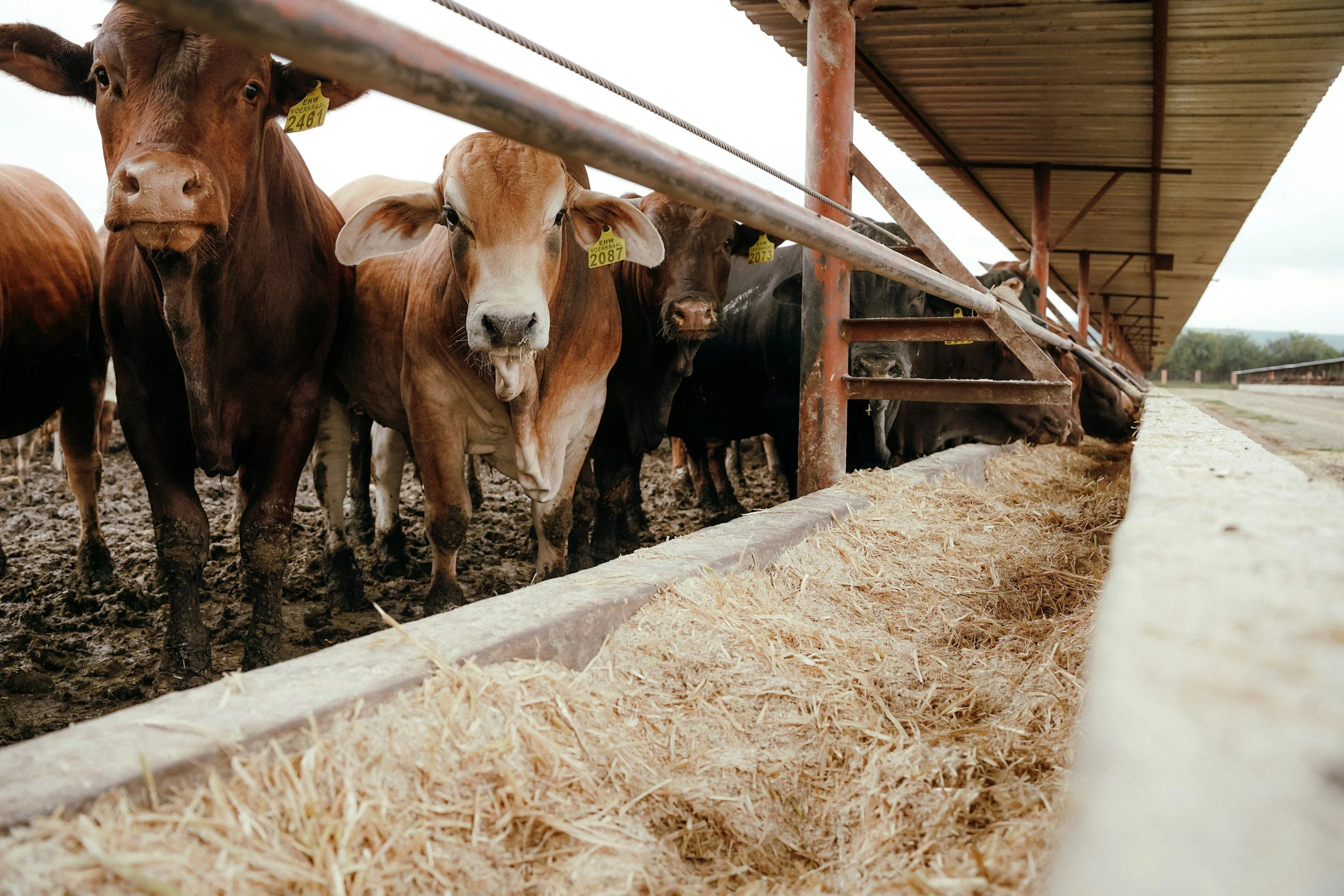
Start With the Basics: Interactive Ways to Teach Animal Domestication
Animal domestication may seem like a simple introductory topic, but it’s actually the perfect opportunity to set the tone for an interactive unit.
Try activities like:
Visuals and timelines showing early domestication to modern breeds
Discussion prompts, such as “Why do you think cattle were domesticated but not zebras?”
Task cards that reinforce key characteristics of domesticated species
If you want a done-for-you starter, the Livestock Production Unit Bundle includes strong visuals, discussion prompts, and task cards that make this lesson instantly interactive.
Make Animal Husbandry Come Alive Through Case Studies & Real Images
Students often assume that every livestock species is raised exactly how they’ve seen it locally. If they’ve only ever driven past small beef operations, they might think that is the only way all cattle are produced.
This makes husbandry the perfect place to use media to challenge assumptions and build critical thinking.
Some ideas include:
Comparing production systems using images or videos, like dairy calves in individual hutches vs. group housing, or indoor vs. pasture-based systems
Short case studies based on real producer decisions
Reading comprehension worksheets using industry data
These approaches help students see livestock systems through a wider lens and understand why producers make different management decisions.
Species-Specific Production Lessons: Simple Ways to Boost Engagement
Here’s where students start to connect everything—from nutrition to breeding to housing systems. Interactive strategies vary by species, but the goal is the same, to make information visual, applied, and easy to remember.
Swine Production
Use virtual barn tours
Compare indoor and outdoor systems using Venn diagrams
Incorporate task cards for traits, breeds, or production stages
Beef Cattle Production
Create scenario cards where students select bulls/heifers based on given traits
Use short clips (cow-calf vs. stocker vs. feedlot) to visualize different production sectors
Integrate worksheets featuring beef industry data
Dairy Production
Show virtual tours of milking parlors vs. robotic systems
Use myth-busting discussions to challenge assumptions
Show videos of calf housing systems
Sheep Production
Compare types of sheep operations or fiber production systems
Use breed ID activities
Review wool quality with wool samples from different breeds
Poultry Production
Use hatchery, broiler, and layer facility videos
Try sort-and-match activities linking facility type → production stage → management goals
Review terminology through a Quizlet deck or Kahoot
If you want pre-built lessons, the Livestock Production Unit Bundle includes slides, worksheets, and task cards for each species.
Virtual Field Trips: Your Secret Weapon When You Don’t Have a Farm
Not every school has barns, labs, or livestock facilities—and that’s completely okay. Virtual tours are an ag teacher’s magic wand for bringing production to life.
Try structuring tours this way:
Before the tour:
Ask students to jot down what they expect to see
Introduce terminology or facility types with slides
During the tour:
Provide a simple “3 things to look for” checklist
Encourage sketching equipment or facility layouts
After the tour:
Have students compare what they saw with local systems
Use task cards or discussions to solidify new concepts
Virtual tours are especially effective when paired with the visuals in your Livestock Production Unit Bundle since the slides give students helpful context before watching.
Use Data to Develop Critical Thinkers in Livestock Classes
Livestock production isn’t just animals and equipment—it’s numbers, systems, and trends. Students love seeing how the industry changes over time, and data helps them understand the “why” behind management practices.
Try:
Reading comprehension worksheets using production statistics
Graph or chart analysis comparing species or regions
Discussion prompts based on industry trends
Quick writes on how data impacts producer decisions
Your bundle’s worksheets pull from real industry information, making it easy for teachers to bring data literacy into their livestock lessons without creating new materials.
Low-Prep, High-Engagement Activities: Task Cards, Puzzles, and Review Games
Sometimes you just need something interactive that won’t take an hour to explain. That’s where low-prep activities shine.
Use them for:
Bell ringers
Group rotations
Sub plans
Exit tickets
End-of-unit reviews
Examples include:
Task cards → great for partner or small-group reviews
Terminology puzzles → perfect for reinforcing key terms
Quizlet sets → ideal for digital review days
Matching activities → useful for species traits or production terms
These are all included in the Livestock Production Unit Bundle, making it effortless for you to plug in interactive activities whenever you need them.
How the Livestock Production Unit Bundle Supports These Strategies
If you want to save planning time while still delivering highly interactive lessons, the Livestock Production Unit Bundle was built for exactly that. It includes:
Lesson slides filled with real images from livestock systems
Task cards for each species
Reading comprehension worksheets featuring industry data
Terminology puzzles for quick, engaging skill-building
Quizlet sets and review tools
Species-specific units (beef, dairy, swine, sheep, poultry)
Foundational lessons on domestication and husbandry
These ready-to-use livestock production curriculum resources for ag teachers make it easy to create a high-engagement unit without reinventing the wheel.
Final Thoughts: Make Livestock Lessons Engaging, Accurate, and Accessible
Interactive livestock production doesn’t have to be complicated or time-consuming. With the right visuals, virtual tours, hands-on tasks, and low-prep activities, your students can develop a strong understanding of how livestock are raised not just locally—but across the U.S. and around the world.
If you’re ready to build a high-engagement livestock unit without spending hours planning, check out the Livestock Production Unit Bundle. It’s your all-in-one, classroom-tested resource to bring livestock production to life.
